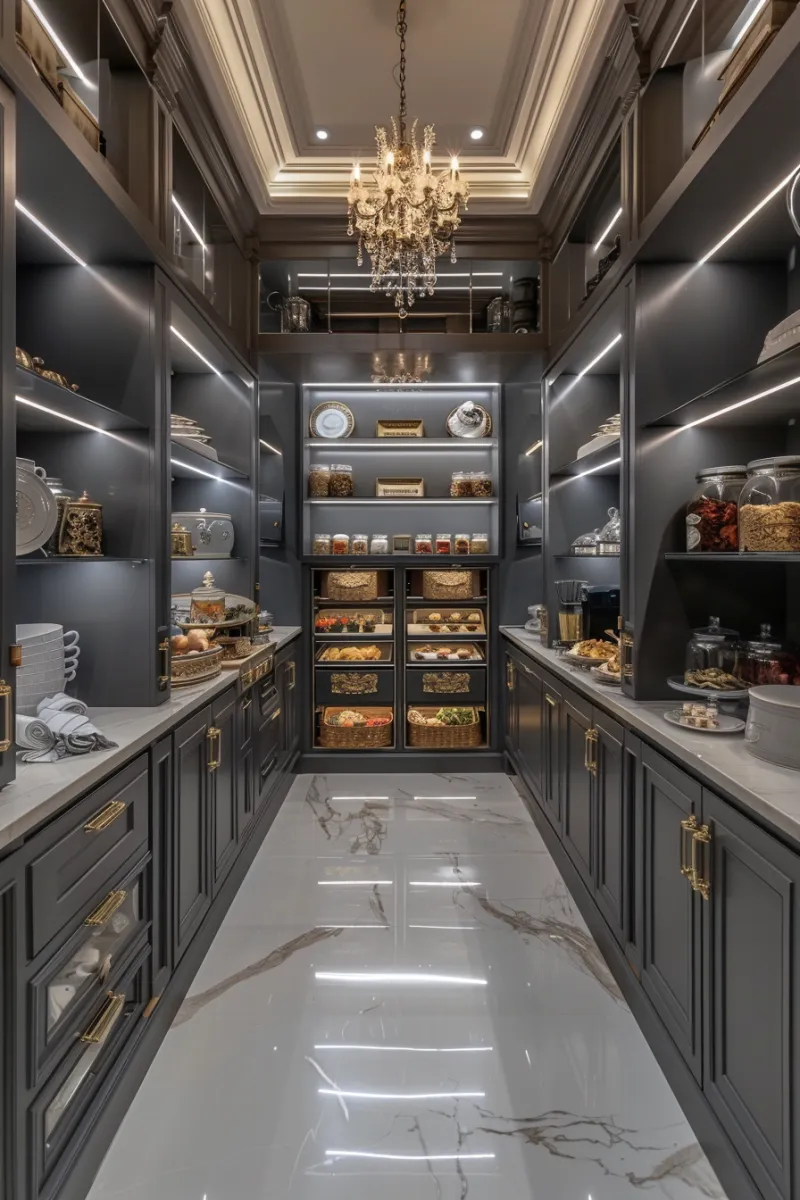
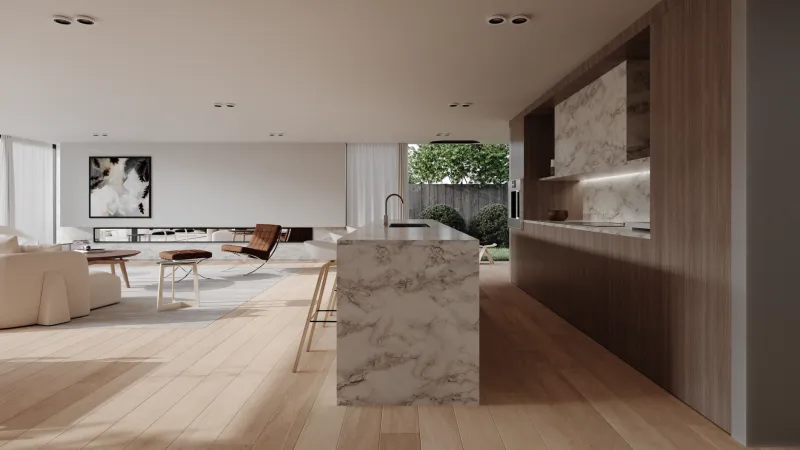
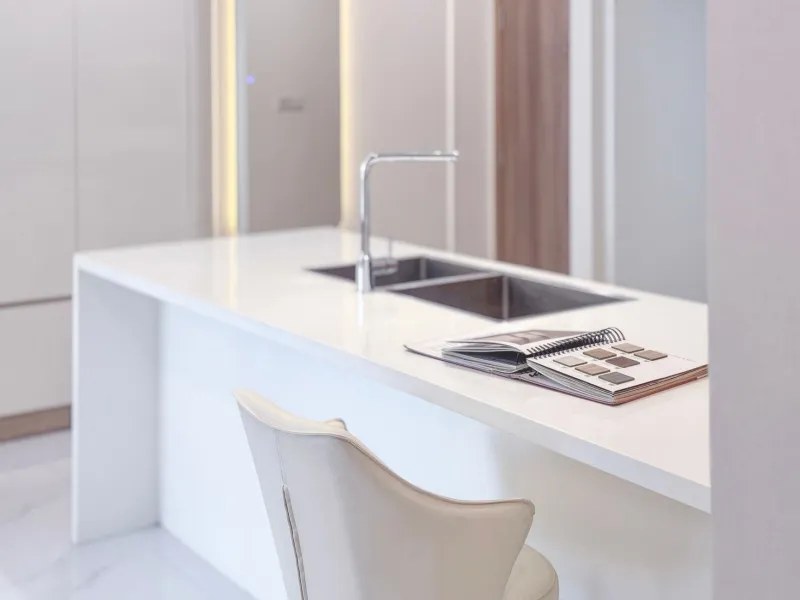
The Case for Closing the Door: Why Selective Walls Are Luxury's Next Advantage
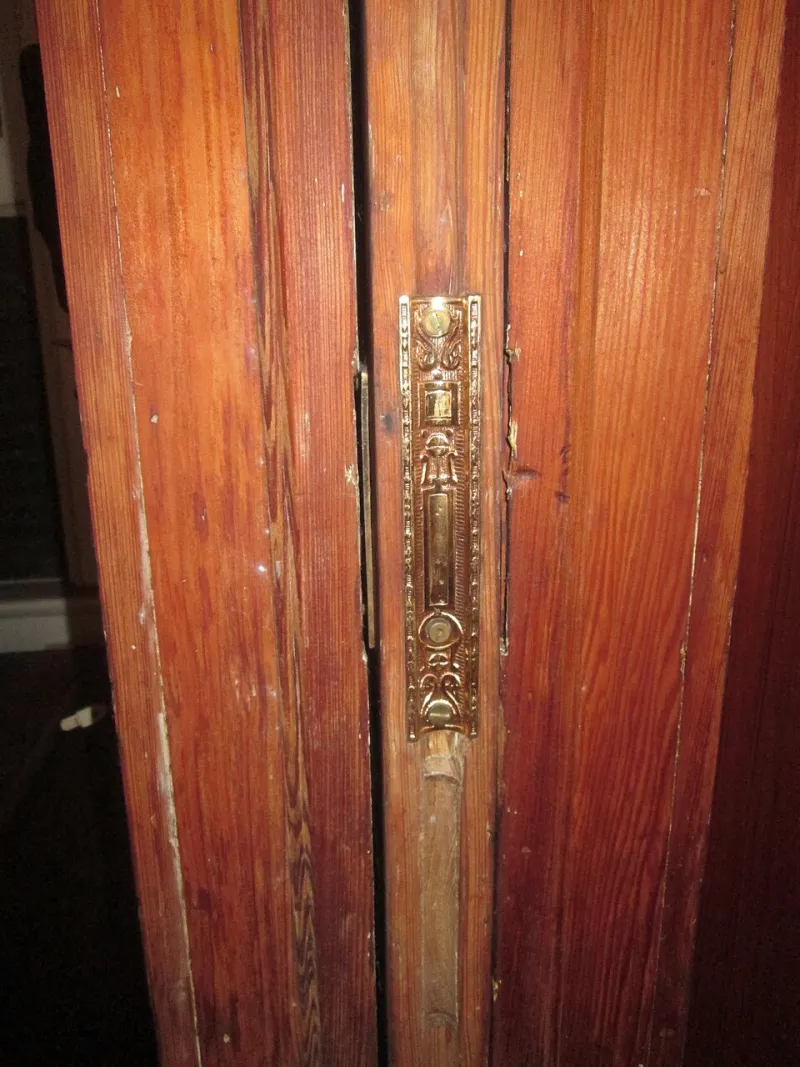
Photo: Infrogmation, CC BY 2.0, via Wikimedia Commons
For much of the past two decades, the American luxury home treated the open plan as a moral position. Walls were removed, rooms were merged, and the uninterrupted sightline became a proxy for freedom. In glass-forward houses, the logic was even simpler: if the view is the point, nothing should stand between the viewer and the view.
In 2026, that consensus is cracking. Not because openness is wrong, but because it has been asked to do too much. The open plan is excellent at borrowing light and creating a sense of scale. It is poor at providing acoustic privacy, displaying art, containing clutter, and allowing different members of a household to live at different volumes at the same time. The next luxury advantage is not more openness. It is selective separation.
The invisible invoice of the open plan
Openness has costs that do not appear on the floor plan. Sound travels. Cooking smells migrate. A telephone call in the kitchen is a public event. A teenager's game, a partner's work call and a dinner conversation compete in the same volume. The house feels spacious, but it does not always feel calm.
Those costs matter more in luxury homes because the expectations are higher. A homeowner who has paid for architectural purity also expects a good night's sleep, a private conversation and a place to put a painting. The open plan can deliver the first; it cannot deliver the rest without help.
Walls as acoustic infrastructure
The most persuasive argument for bringing walls back is not visual. It is acoustic. A wall with mass, insulation and a properly fitted door is still the most efficient way to separate one kind of life from another. Pocket doors allow that separation to disappear when it is not needed. Transoms and interior glazing allow light to pass while sound is reduced.
In a glass-forward house, acoustic walls are especially valuable. The perimeter is already transparent; the interior needs at least one place where the household can retreat from its own openness. A media room, a study, a primary suite and a guest wing all benefit from doors that close properly. The luxury is not the wall itself. It is the choice.
The gallery wall returns
Minimalist interiors have spent years pretending that art can live on a single floating wall or a picture ledge. In practice, serious collections need wall area. They need background, spacing and the ability to rotate works without redesigning the room. A house made entirely of glass and open space is a difficult place to hang a collection.
Selective walls restore the gallery. A solid wall between the living room and the study can hold a large canvas. A short partition can create a backdrop for sculpture. A pocket door can close off a room that is not always on display. The result is not a return to closed-plan formality. It is a return to the idea that a room can have a purpose.
Privacy without darkness
The fear of walls is often a fear of darkness. That fear is outdated. Interior glazing, transoms, clerestories and borrowed light allow a room to be closed without being gloomy. Pocket doors can disappear into the wall. Double doors can stand open for daily life and close for dinner. The design language is not heavy; it is precise.
The same logic applies to outdoor rooms. A wall that separates a courtyard from a living room can be mostly glass. A screen can provide privacy without blocking air. The goal is not to build a fortress. It is to give the household control over when it is together and when it is apart.
Rooms that can change
The most valuable room in a 2026 luxury house may be the one that can become something else. A study that closes for a work call. A guest room that is not a corridor. A dining room that can be quiet. A playroom that can disappear. Those rooms require walls, doors and a certain discipline of plan.
Open plan promised flexibility, but it often delivered a single undifferentiated space that had to serve every function at once. Selective walls deliver a different kind of flexibility: the ability to change the social configuration of the house without moving furniture or adding a partition.
The glass house paradox
Glass-forward homes need interior walls more than conventional houses do. When the perimeter is transparent, the interior becomes the place where privacy is manufactured. Without walls, the house has no backstage. With them, the glass can remain the main event.
That is the paradox of the next phase of luxury design. The more open the architecture, the more valuable the selective enclosure. Walls are not a retreat from modernism. They are a tool for making modernism livable.
A more mature openness
The open plan is not defeated. It is being edited. The houses that will feel most advanced in 2026 are not the ones with the fewest walls. They are the ones that know exactly where a wall belongs, how it should close, and what it should protect. The luxury is not in the absence of separation. It is in the choice to separate well.