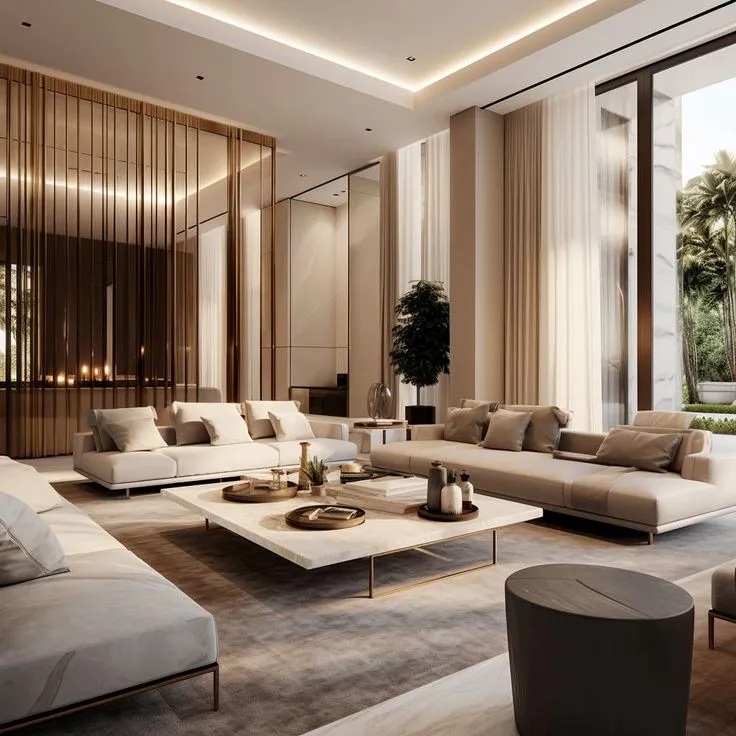
Clarity and Capital: The Market Case for Glass-Forward, Minimalist Architecture
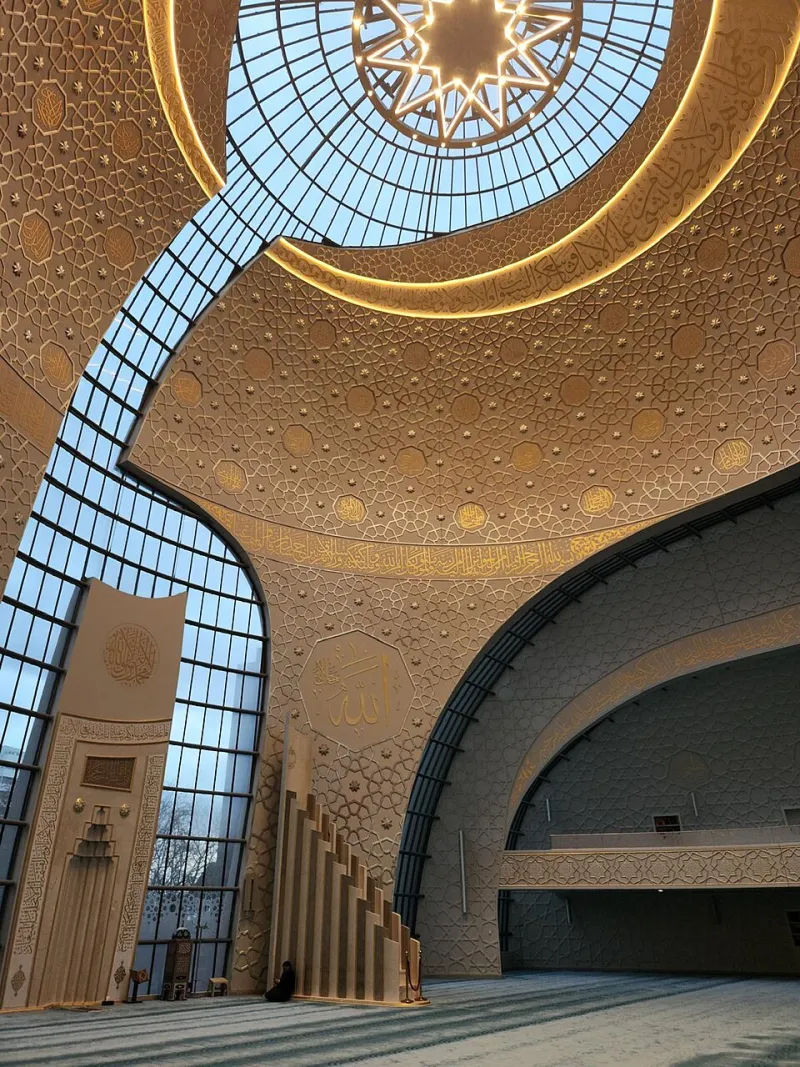
Photo: Benjaminkhas07, CC BY-SA 4.0, via Wikimedia Commons
There is a version of the real estate conversation that treats design as a matter of personal preference—something subjective, variable, and ultimately secondary to the hard metrics of square footage, location, and school district. In the luxury tier of the American housing market, that version of the conversation is becoming increasingly difficult to sustain.
A growing body of transactional evidence suggests that certain architectural and design choices correlate with stronger buyer demand, faster absorption rates, and higher per-square-foot valuations. Among the most consistent of these correlations is the relationship between minimalist, glass-forward design and premium market performance. Understanding why requires looking not only at the numbers but at the psychology and cultural context that produce them.
What the Data Is Telling Us
National Association of Realtors survey data has consistently identified natural light as among the most desired attributes in residential property searches, ranking it above updated kitchens and proximity to amenities in several recent cycles. In the luxury segment specifically—properties priced above $1.5 million in major metropolitan markets—the preference is amplified. Buyers at this price point are not merely seeking functional adequacy; they are investing in an experience of living, and light is foundational to that experience.
Research published by real estate analytics firms tracking sales in markets including Los Angeles, Miami, New York, and the Seattle metro area has identified a recurring premium for properties characterized by floor-to-ceiling glazing, open-plan layouts, and restrained material palettes. In Los Angeles County, contemporary architectural homes—a category that strongly overlaps with the glass-and-minimalism profile—have appreciated at rates exceeding the broader luxury market over the past decade. In Miami's Brickell and Coconut Grove neighborhoods, newly constructed glass-forward residences have consistently achieved price-per-square-foot figures that outpace comparable properties with more traditional facades.
The pattern holds in secondary markets as well. In Austin, Texas—a city that has absorbed an extraordinary influx of high-net-worth buyers from California and the Northeast over the past several years—demand for contemporary, light-filled architecture has driven a meaningful divergence in valuations between design-forward inventory and conventional construction.
The Buyer Psychology Driving Premium Valuations
To understand these numbers, it helps to understand who is buying at the top of the market and what they are seeking.
The luxury buyer of the current era is, in aggregate, younger than previous generations of high-end real estate consumers, more visually literate, and more attuned to the design language of the brands and environments that populate their professional and social lives. They have spent formative years in tech campuses designed by Renzo Piano and Bjarke Ingels, stayed in hotels where the lobby is an exercise in studied restraint, and consumed an aesthetic vocabulary shaped by the global minimalist movement. They arrive at the residential market with formed preferences—and those preferences skew consistently toward openness, light, and the visual quiet that comes from disciplined editing.
"The buyer who is seriously looking at the eight-to-twelve-million-dollar range in this market has typically done considerable research before they ever walk through a door," noted one Los Angeles-based luxury real estate agent with over two decades of experience in the city's hillside and coastal markets. "They know what they want. And what they want, overwhelmingly, is light. Glass. The sense that the interior and the landscape are in conversation. When a property delivers that, you see it in the offers."
This preference is not merely aesthetic nostalgia for modernism. It reflects a genuine shift in how affluent Americans conceptualize the purpose of a home. The pandemic years accelerated a reorientation toward domestic life as a source of meaning and restoration—and the environments best suited to that function, buyers appear to have concluded, are those that connect their occupants to the natural world, manage light with intelligence, and resist the visual clutter of excess.
Which Investments Yield the Strongest Return
For homeowners considering design modernization with an eye toward eventual resale, the data and professional consensus point toward several particularly high-impact interventions.
Strategic glazing upgrades represent perhaps the single most transformative investment available to owners of existing homes. Replacing solid walls or undersized windows with floor-to-ceiling glass panels or curtain wall systems fundamentally alters the experiential character of a space. In markets where contemporary architecture commands a premium, this type of structural intervention can yield returns that substantially exceed its cost—particularly when it creates a meaningful connection to an exterior view or landscape feature.
Facade refinement toward minimalism is a closely related priority. Buyers responsive to the design language described above are often deterred by the visual noise of applied ornamentation, mixed material palettes, and dated architectural detailing. Streamlining a home's exterior expression—simplifying rooflines, standardizing material choices, replacing decorative elements with clean planes—can meaningfully improve buyer perception without requiring structural modification.
Interior open-plan reconfiguration continues to demonstrate strong return on investment in the luxury segment. The removal of non-structural walls to create flowing, light-permeable floor plans is among the most consistently recommended interventions by agents working with sellers preparing high-end properties for market.
High-performance glazing systems deserve particular attention as both an aesthetic and financial consideration. The installation of thermally efficient, large-format glazing addresses buyer concerns about energy performance while delivering the visual impact that drives premium valuations. In states with strong solar resources—California, Texas, Arizona, Florida—the combination of aesthetic appeal and demonstrable energy efficiency has proven particularly compelling to buyers.
The Caution Against Overcorrection
It would be misleading to suggest that the prescription for maximum resale value is simply to maximize glass and minimize everything else. The most successful luxury properties in any market are those that achieve coherence—where every design decision reinforces a consistent experience and where the architecture responds intelligently to its specific site, climate, and context.
A glass-forward home that ignores solar orientation, or that sacrifices acoustic performance for visual drama, or that pursues minimalism at the expense of warmth and livability, will not command the premiums described above. The buyers driving those premiums are sophisticated; they recognize the difference between thoughtful design and its superficial imitation.
"I always tell my sellers that buyers at this level can feel when a home has been designed with intention versus when it's been styled for the listing photos," observed a Miami-based luxury agent whose recent transactions include several waterfront properties in the seven-figure range. "The ones that perform are the ones where everything feels considered—where the light, the materials, the views all work together."
Design as Investment Strategy
The broader implication of the evidence assembled here is that, in the luxury residential market, design is not a cost center but a value driver. The choice to build or renovate with an emphasis on natural light, clean architectural geometry, and the considered integration of glass is not merely an expression of aesthetic preference. It is, increasingly, a financially defensible strategy.
For homeowners at this level of the market, the question is no longer whether design matters to value. The question is whether the design investments being made are the ones most likely to resonate with the buyers who will, eventually, walk through the door—and write the check that reflects everything the home has been asked to be.